




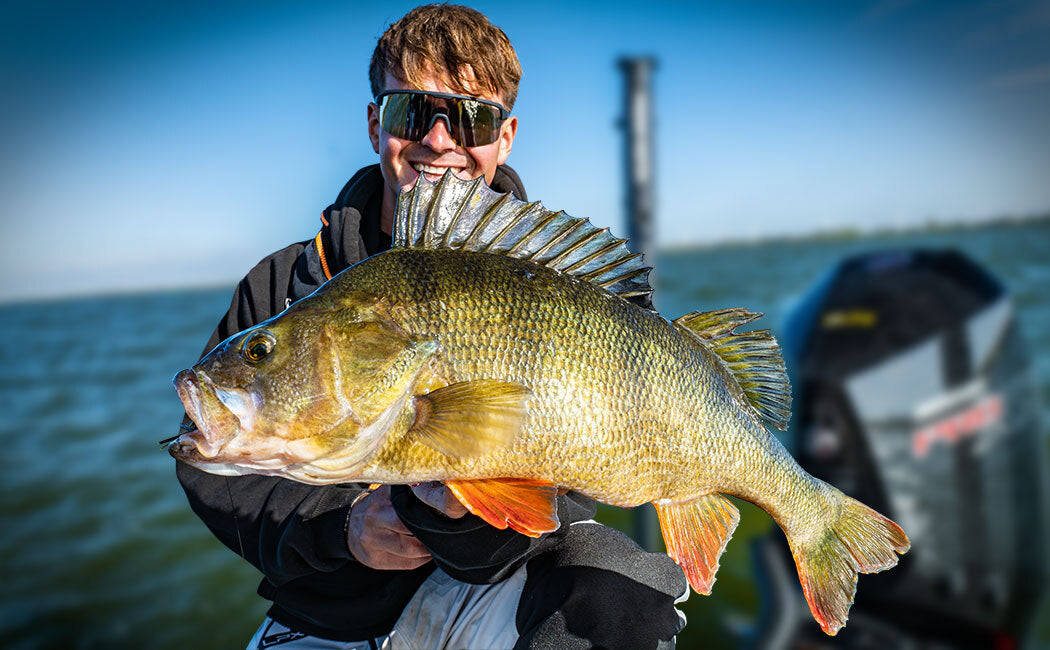
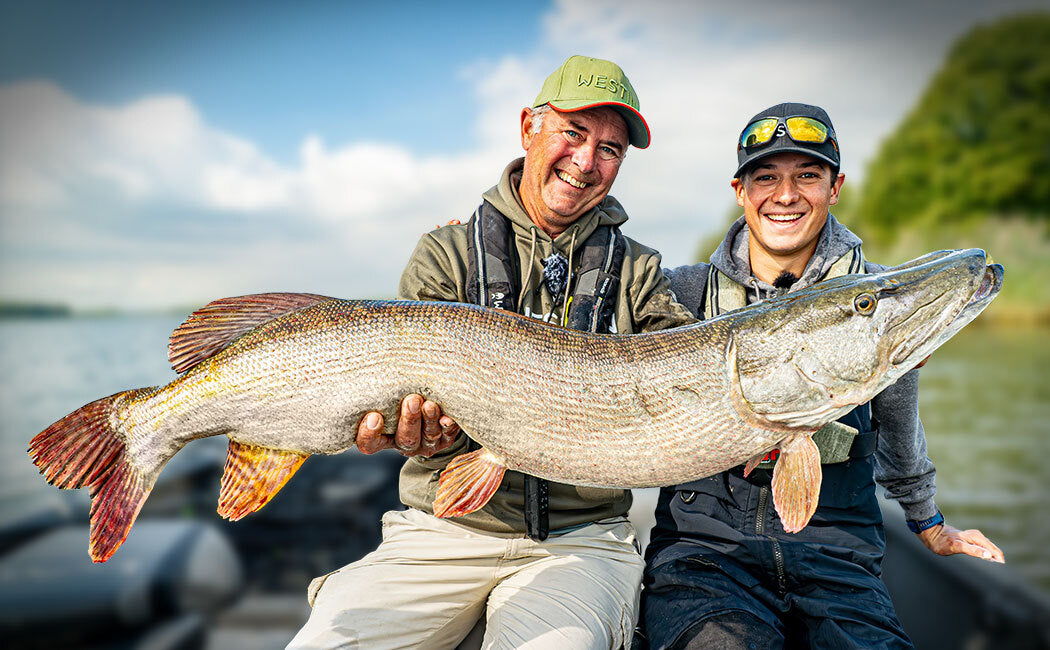
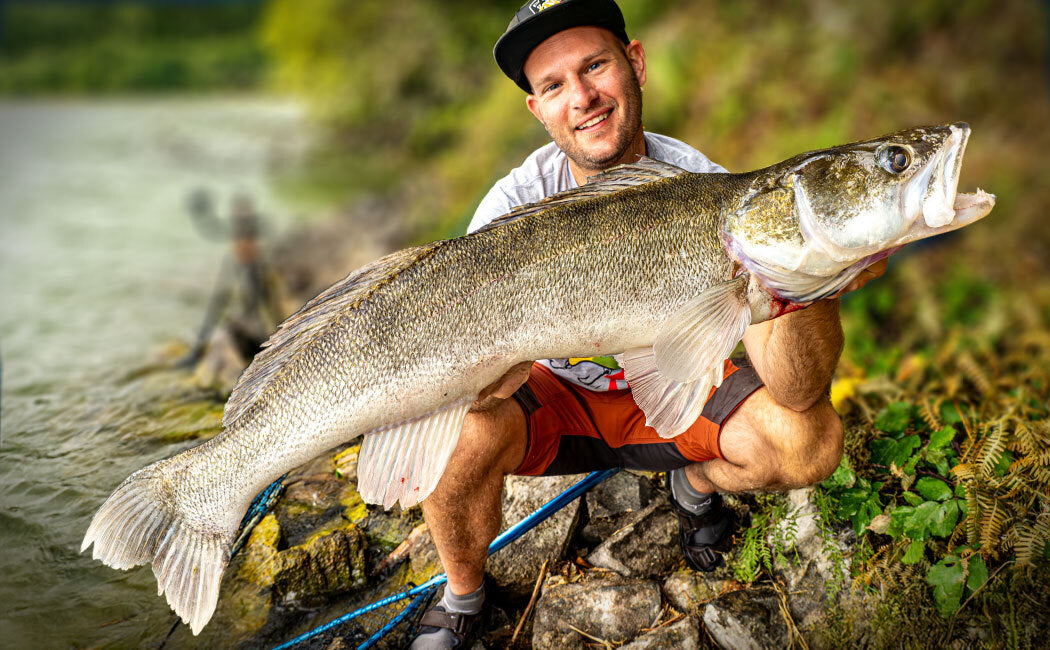
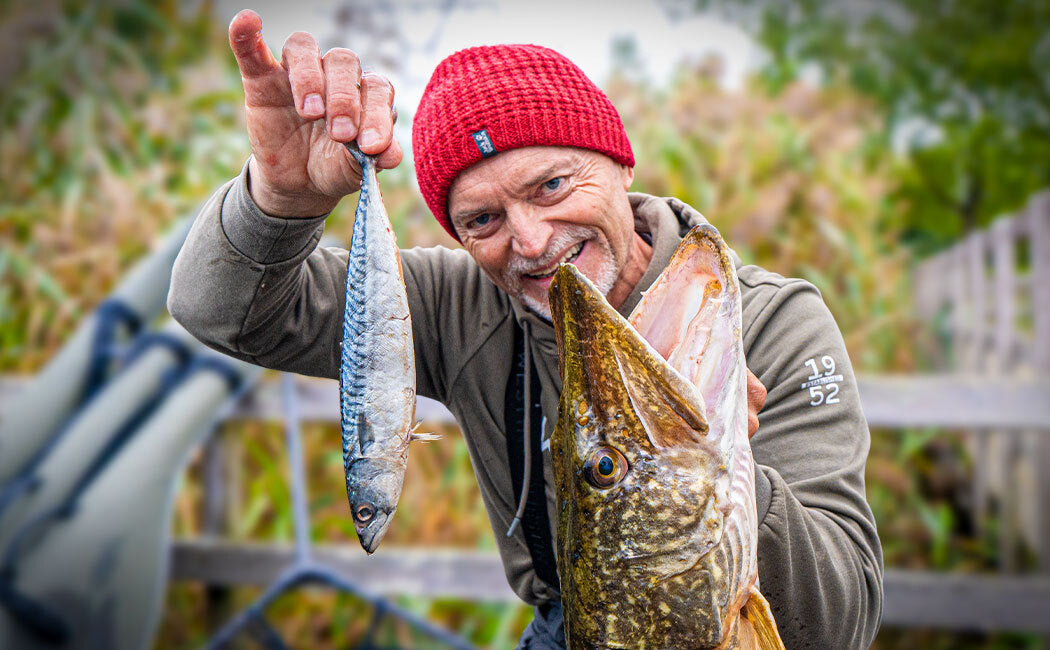







What makes polder canals so special? What exactly are they? What fish will you find there, and what do you need to know before you start? In this guest article, Marco Solar explains what makes fishing the polders such a rewarding experience for predator anglers.
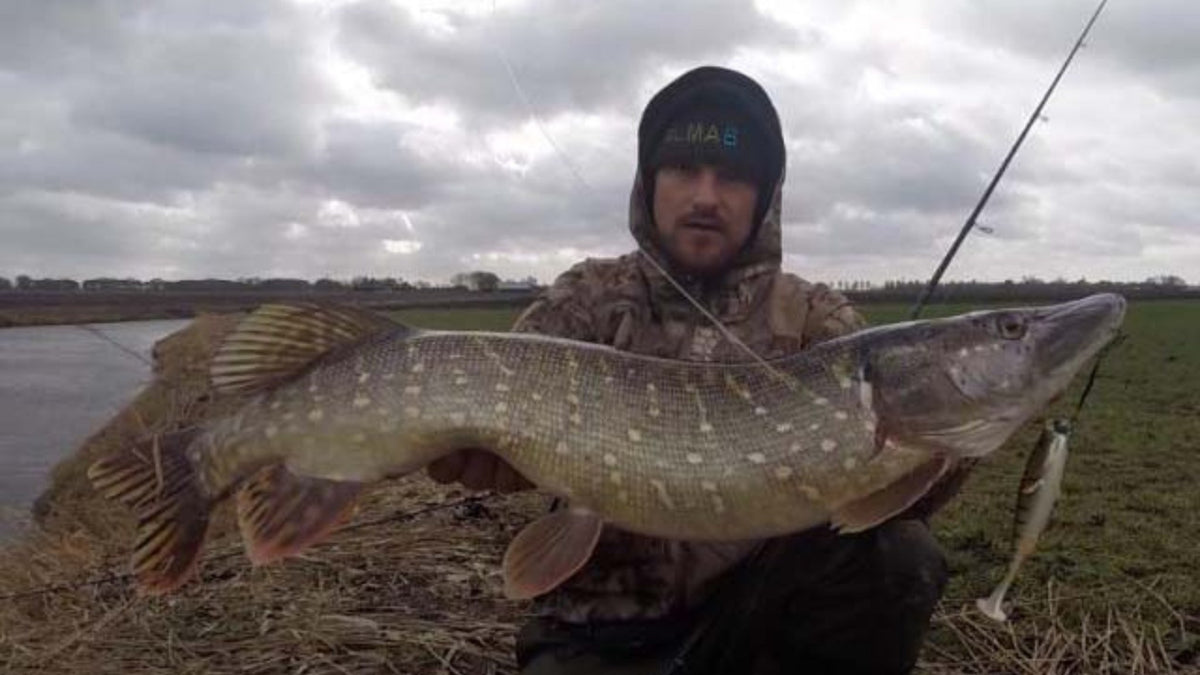
When we say 'polder', most of us immediately think of the Netherlands. The term 'polder pike' is familiar to nearly every European lure angler. Fewer people realise, however, that pike thrive in polder waters well beyond the Dutch border.
Alongside pike, you'll also encounter the famous 'polder carp'. These fish turn up in polder systems across Germany, Denmark, Belgium and many other countries — small canals threading through largely agricultural landscapes, each with a very specific purpose.
What Is a Polder?
A polder is essentially a region protected from flooding by surrounding dykes, because the land typically lies below sea level. Water is continuously pumped away over the dykes to keep the area dry. Some regions are also deliberately flooded as a controlled measure against rising water levels elsewhere. Anglers tend to use the word 'polder' to refer to the drainage canals themselves — so when an angler talks about 'the polder', they almost always mean the polder canal.
'I'm heading out for polder pike next weekend!'
'That polder canal by the little bridge is fishing well — I had a great session there.'
These are the kinds of things you'll hear anglers say all the time. Fictional examples, perhaps, but they show perfectly how the polder has worked its way into everyday fishing conversation.

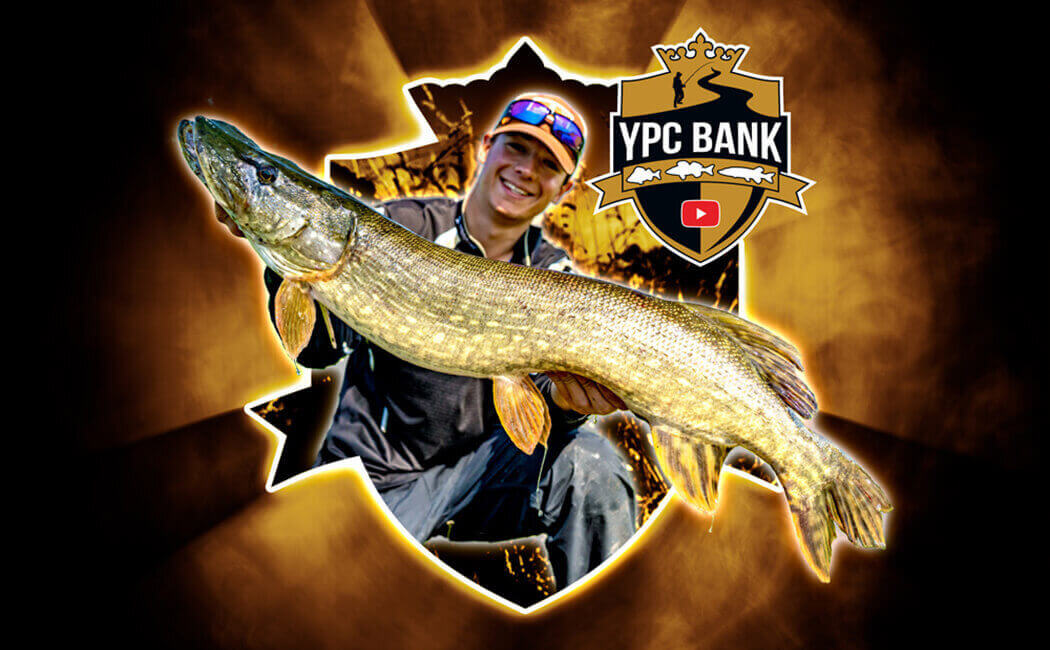
Fishing the so-called polder canals is growing in popularity and attracting some of the biggest names in the predator fishing scene — pictured here: WPC winner Dustin Schöne in the final of the YouTube Predator Cup 2018.
The Polder Landscape
Polder landscapes share some common characteristics: sparse development, flat terrain with wide-open views, limited woodland, and — most importantly for us — canals winding through often stunning scenery.
Depending on the region, you'll find polder landscapes with quite substantial dykes, particularly in Germany and Poland, which form clear boundaries around the surrounding area. Elsewhere, you'll come across much more open polder landscapes, best remembered for their picturesque windmills and impressive lock structures — the Netherlands and Belgium being the obvious examples. As different as local polder landscapes can be, the small to medium-sized canals themselves look remarkably similar wherever you go.
Without their network of canals, the polder landscapes we know today simply wouldn't exist. In modern times, the process is called 'water management'. In the early days of polder creation, people spoke of 'land reclamation'. It was in 15th-century Holland that a whole area was first drained by human ingenuity alone — made habitable and eventually productive for agriculture.
Back then, pumps driven by large windmills created the necessary difference in water levels to keep the land dry. Put simply, the groundwater table was lowered and kept under control.
Today, large digital networks drive automated, discreet pumps across the entire system. Everything can be monitored and adjusted from a single control centre. In many areas, the canal water also serves as an emergency supply for firefighting.
Fish Stocks in Polder Canals
The first question every angler asks when standing at a polder canal for the first time:
'What can I catch here, and how?'
Fish stocks vary by region. The most well-known species in the polders is undoubtedly the pike. Belgium also offers some excellent polder canals specifically for pike fishing — particularly in West Flanders around Bruges and Sluis. In the Netherlands, pike tend to concentrate in the North Holland region around Sneek and Medemblik.
The polder waters of the Zeeland region in the south of the Netherlands are particularly interesting for non-predatory species. That said, the predatory polder carp are also frequently caught on lures — a curly tail grub works a treat.
Because a polder canal is essentially an artificially constructed water, fish stocks have been planned and introduced by local angling clubs and similar organisations. Fish were stocked and spawning areas created. Over the years, various populations have developed impressively.
All fish in the polder canals share one thing in common:
Every bite is a genuine surprise when something big takes off in a canal barely two metres wide and relatively shallow.
Hand-sized surface lures are never a bad choice when targeting polder predators.
Strict no-kill rules at many polders across Holland have allowed fish populations to flourish, with some very large specimens among them. The Dutch have led the way here and now offer outstanding fishing with excellent catch rates. Even where pike or carp tend to dominate in numbers, the overall balance of species remains broadly healthy.
Tip for Eel Anglers
Something not widely known: the Belgian polder waters hold very strong eel populations. The canals of northern Germany are equally worth a session specifically targeting polder eel.
Tip for Largemouth Bass Anglers
If you're after hard-fighting largemouth bass, the polder canals of southern France are exactly the right destination. Alongside powerful carp, largemouth bass are a local speciality for every angler fishing the French polder canals.
General Principles for Polder Canal Fishing
To finish, here's a tip from some of the most experienced and successful polder anglers in Europe:
At all times, try to be as discreet as possible at the water's edge.
Watch every movement in the water and learn to read what you see. Don't be shy about using large lures. Metre-long pike are no rarity in the polders!
Lures, Tackle and Tactics at the Polder
Traditionally, many polder canals were fished with natural bait. A deadbait on a drifting float rig is still well worth a try today. For a more active and efficient approach, however, lure fishing for predators is hard to beat. Large pike attack lures on pure reflex — often the moment they hit the surface.
Most polder canals are between 0.5 and 2 metres deep. Only in front of locks and in back-water basins does the depth regularly exceed 2.5 metres. That means surface lures and shallow-running lures are your go-to options. Don't hold back on size either. As mentioned above, a 20 cm-plus popper or a long plug is never too big.

Along the polder canals you'll find the most varied landscapes — or find yourself strolling through idyllic villages. Bridges in particular offer some of the most promising hot spots.
Rod
Alongside the right lures, the rest of your tackle needs to be up to the job. A powerful spinning rod with a strong backbone and a length of around 2.50–3.00 metres is the right choice in many situations, as you'll often need to guide your lures over reeds and bankside vegetation. However, if you have good access and plan to use stickbaits and other surface lures, a shorter rod will give you far better lure control. Sometimes a 3.00 m rod on a 1.5 m-wide canal with open access simply doesn't make much sense.
Line
Whether you prefer braid or mono is entirely a matter of personal choice. It's a genuinely contentious topic that anglers debate endlessly.
The facts are these:
A braided line has virtually no stretch. The full force of the take must therefore be absorbed entirely by the rod. At close range, this leads to many hook pulls. A good monofilament line stretches and absorbs a great deal of the fish's energy before it reaches the rod.
Leader
One last point that receives far too little attention: choosing the right leader material. Ideally, you should always match your leader to both your target species and your lure.
Summary
Fishing polder canals means covering ground — so bring plenty of motivation and make sure you've got good footwear. Experience comes with time, and with it the realisation that it's often the unexpected cast and the overlooked spot that produces the biggest fish. The polders are always an adventure!
Daniel vs Tobias Ekvall in the YouTube Predator Cup: Along the Polders: